At Neighborhood Health Center in Liberty, Indiana, improving a patient’s health can mean looking beyond what happens in the exam room.
For patients managing diabetes, high blood pressure and other chronic conditions, following a doctor’s recommendations often depends on something more basic: having consistent access to nutritious food.
Through a partnership with Gleaners Food Bank of Indiana, Neighborhood Health Center is helping address that challenge by connecting patients with groceries through Gleaners2Go.
The program allows neighbors to select groceries and pick up their orders at participating locations. At Neighborhood Health Center, staff can also use their knowledge of a patient’s health needs to help guide those choices.
“We’re able to know that this specific patient shouldn’t have items high in sodium, or, you know, they’re diabetic, so we need to watch their sugar intake,” said Megan Brown, care coordination supervisor at Neighborhood Health Center.
That connection led the health center to recognize the program as something more than food assistance.
“We realized, ‘wait a second, this is a Food as Medicine program because it is really helping our patients,'” Brown said.
For at least one patient, the health changes have been significant.
Family nurse practitioner Shannon Shuman described a Gleaners2Go participant who lost more than 100 pounds and lowered their A1C enough to stop using insulin. As the patient lost weight and became more mobile, they were also able to reduce medication used to manage arthritis.
Shuman recognizes these improvements are due to many factors working together.
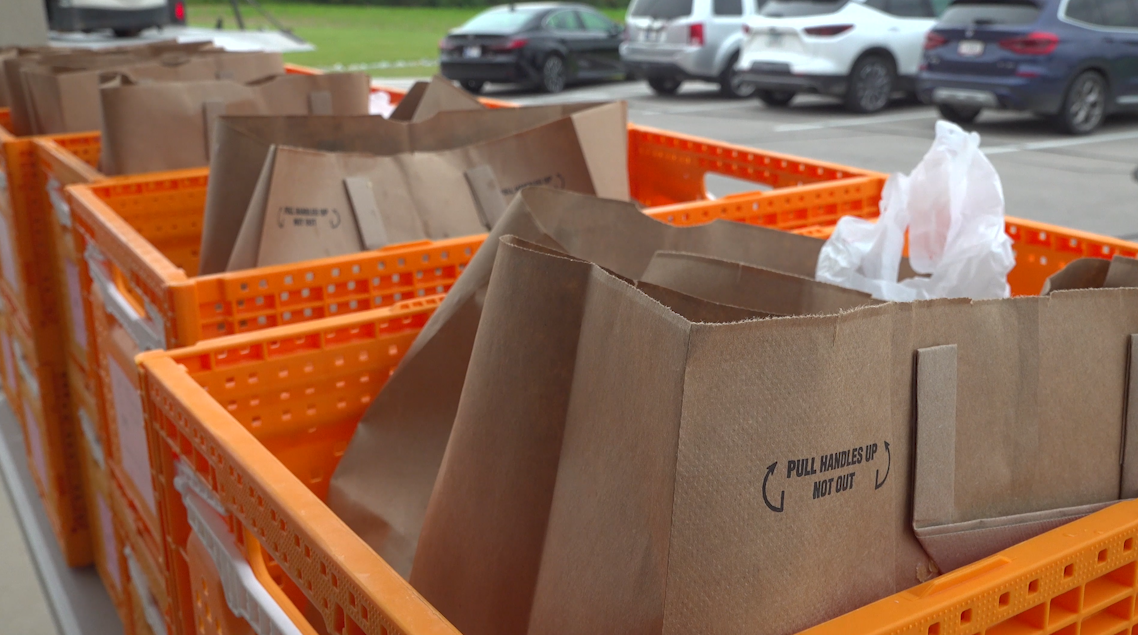
Health providers say the nutritious options available through Gleaners2Go make a difference in patients’ lives.
“Granted, it’s not all Gleaners,” Shuman said. “But at the same time, we can use Gleaners as a tool by having an option here where we can encourage healthy lifestyles. It helps us keep patients healthier,” Shuman said.
That distinction is important. Food assistance does not replace medical care, medication or the work patients do to manage their health. But reliable access to nutritious food can make it easier for patients to follow the plans they develop with their health care providers.
“I’ve seen it before where people will choose to feed their pets before themselves. And if we’re trying to get a patient to achieve better health outcomes, sometimes they can’t afford it. By having an option here where we can encourage healthy lifestyles, [it] helps us keep patients healthier,” Shuman said.
Research into Food as Medicine programs is also showing the potential health impact of connecting people experiencing food insecurity with resources. A Feeding America and Elevance Health evaluation included 1.45 million people screened for food insecurity and more than 161,000 households connected with food resources. The evaluation found a 14% reduction in hospitalizations and an 11% reduction in emergency department visits among participants.
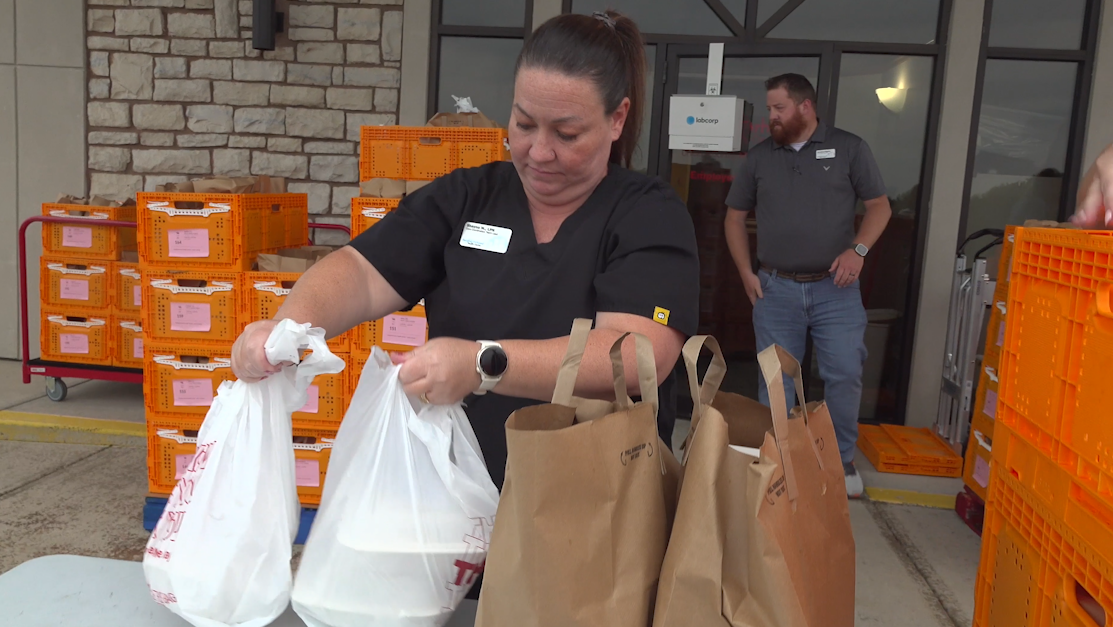
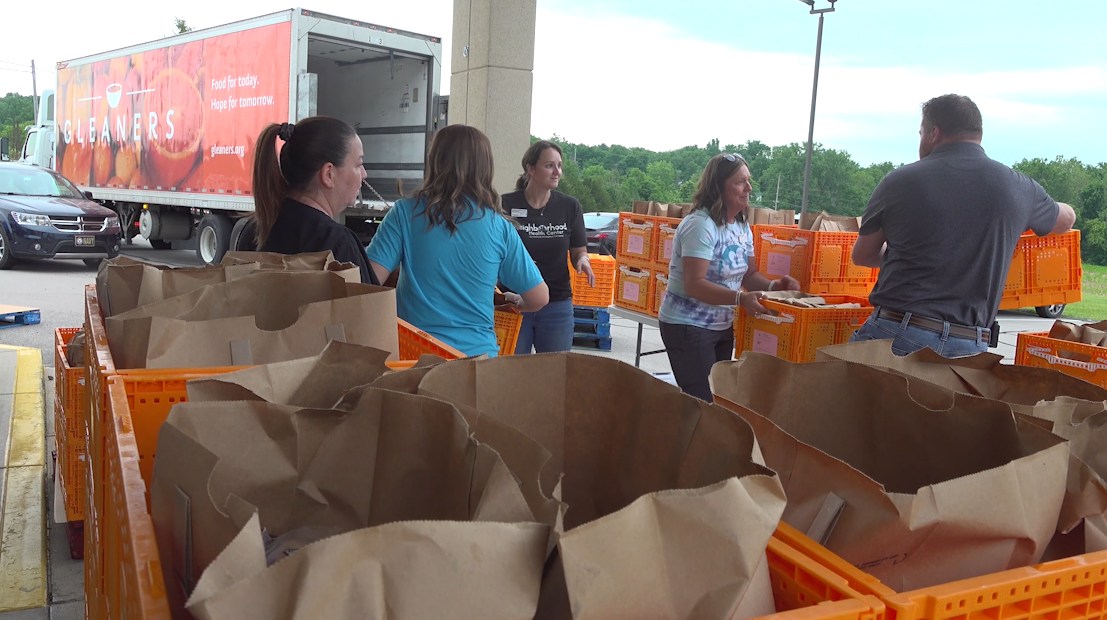
NHC staff help distribute Gleaners2Go packages.
For households balancing groceries with housing, utilities, transportation and medications, having another source of food can also create room in already-tight budgets. For Neighborhood Health Center, the partnership has also created relationships that extend beyond an individual grocery order.
“They’ve really, truly built relationships. It fills our cup and keeps us motivated,” Brown said.
Those relationships help connect two needs that have traditionally been addressed separately: access to health care and access to food.
At Neighborhood Health Center, Gleaners2Go is helping bring them together and giving patients another tool to support their health, their families and the choices they make every day.
MORE: ‘I can’t tell you how much I appreciate it | Janice’s Story